
Exploring cultural perceptions of gambling in modern society
Premium Cannabis Items
20 Nisan 2026Better On the internet Weed Dispensary Marijuana Shop
20 Nisan 2026Exploring cultural perceptions of gambling in modern society
The Evolution of Gambling Across Cultures
Gambling has been an integral part of human society for centuries, with its origins tracing back to ancient civilizations. Archaeological evidence suggests that the practice may have begun as early as 3000 BC in China, where games of chance used rudimentary dice. Cultures around the world adopted various forms of gambling, from the betting of livestock in ancient Greece to the use of playing cards in Europe. These historical practices reflect not only entertainment but also the deeper societal values and rituals associated with chance and luck. In this vibrant context, Joka Casino has emerged as a leading platform for Australian players seeking modern gaming experiences.
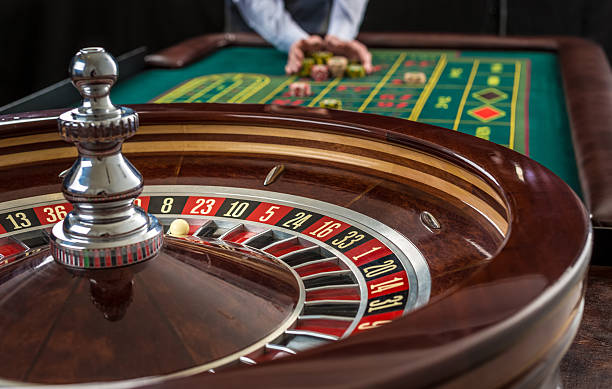
As societies evolved, so did gambling practices. The development of casinos in the 17th century marked a significant shift, particularly in Europe. Gambling became more organized, and establishments began to cater to the elite, leading to a more formalized view of gambling as a leisure activity. Different cultures embraced this evolution differently, with some viewing gambling as a sophisticated form of entertainment while others regarded it with skepticism, often associating it with moral decay or social issues.
In the modern era, the globalization of gambling has led to the blending of cultural perceptions. Countries like Australia and the United States have vibrant gambling industries, showcasing everything from high-stakes poker tournaments to state-run lotteries. This international exchange has sparked ongoing debates about gambling’s impact on society, with some cultures fully embracing its economic benefits while others remain wary of its potential to foster addiction and social inequality.
Cultural Attitudes Toward Gambling
Cultural attitudes toward gambling significantly influence its acceptance and regulation. In some cultures, gambling is viewed through a lens of superstition and taboo, often associated with bad luck or misfortune. For instance, in many Asian cultures, gambling is interwoven with traditional beliefs, where practices like Feng Shui influence betting behaviors and outcomes. In these contexts, gambling can be both a social activity and a spiritual endeavor, with rituals and traditions guiding how individuals participate.
Conversely, Western cultures often adopt a more permissive stance on gambling, viewing it as a personal choice and a legitimate form of entertainment. The emergence of online gambling platforms has further normalized this attitude, making gambling more accessible. Countries like the United States and Canada have embraced the gambling industry, with extensive regulations to promote responsible gambling. However, this acceptance is not uniform across all states, as differing laws and cultural views create a patchwork of attitudes toward gambling.
The contrasting perspectives on gambling serve as a reflection of broader societal values. In cultures that prioritize individual freedom and economic opportunity, gambling is often celebrated as a form of entertainment and a chance for financial gain. Meanwhile, societies that emphasize communal welfare and moral integrity may view gambling as a detriment to social cohesion, leading to calls for restrictions and regulations to protect vulnerable populations.
The Impact of Technology on Gambling Culture
The rise of technology has revolutionized the gambling industry, reshaping cultural perceptions and practices. Online gambling platforms have democratized access to betting, allowing individuals to engage in games from the comfort of their homes. This shift has raised important questions about the nature of gambling and its implications for social behavior. With a few clicks, players can access a vast array of games, from traditional slots to live dealer options, blurring the lines between physical and virtual gambling.
Moreover, technology has enabled the development of sophisticated algorithms and data analytics, enhancing the gaming experience and encouraging increased participation. Social media platforms have also played a pivotal role in promoting gambling culture, normalizing it as a part of everyday life. This widespread exposure can contribute to positive attitudes toward gambling, especially among younger generations who are more accustomed to digital interactions.
However, the technological shift also raises significant concerns regarding addiction and responsible gambling. With the easy accessibility of online gambling, individuals may find it challenging to set limits, leading to potentially harmful behaviors. Cultural perceptions of gambling are thus evolving, as more people recognize the need for regulations and responsible gaming initiatives to ensure a safe and enjoyable experience for all participants.
The Intersection of Gambling and Social Issues
The relationship between gambling and social issues is complex and multifaceted. In many societies, gambling can exacerbate existing problems such as poverty, addiction, and crime. High rates of gambling addiction can lead to financial ruin for individuals and families, contributing to broader societal challenges. This correlation has prompted various cultural responses, with some advocating for stricter regulations to protect vulnerable populations and others emphasizing personal responsibility.
In addition, gambling can have varying impacts on different demographics. Studies have shown that certain groups, particularly marginalized communities, may face higher risks associated with gambling addiction. This reality raises ethical questions about the responsibilities of gambling operators and regulators in addressing these disparities. It also highlights the necessity for culturally sensitive outreach programs aimed at educating individuals about the risks of gambling.
Furthermore, public perceptions of gambling can significantly influence policies and practices. In cultures where gambling is stigmatized, there may be less support for programs aimed at helping those struggling with addiction. Conversely, in societies that embrace gambling as part of their social fabric, there may be greater recognition of the need for support systems. This dynamic interplay between cultural perception and social implications is crucial in shaping effective gambling policies in modern society.

Exploring Joka Casino’s Role in Modern Gambling Culture
As an exciting online gaming platform, Joka Casino exemplifies the changing landscape of gambling in contemporary society. With a diverse range of over 5,000 games, including slots and live dealer experiences, Joka Casino aims to cater to the evolving preferences of modern players. This platform not only provides entertainment but also reflects broader cultural trends, showcasing how technology is reshaping the gambling experience.
Joka Casino offers a user-friendly interface, generous bonuses, and convenient banking options, which resonate with the preferences of today’s players. The site’s emphasis on customer support illustrates a commitment to ensuring a positive gaming experience, which is increasingly important in a world where responsible gambling practices are paramount. The platform’s efforts to promote responsible gaming through various initiatives also indicate a recognition of the challenges associated with gambling addiction.
In conclusion, Joka Casino stands at the intersection of cultural perceptions and modern gambling practices. By providing a comprehensive gaming experience that prioritizes player satisfaction and responsible gaming, it contributes to the ongoing evolution of how society views gambling. As cultural attitudes continue to shift, platforms like Joka Casino will play a crucial role in shaping the future of gambling in a rapidly changing world.
